Erosion and Weathering:
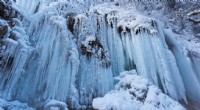
* The forces of nature begin to sculpt the mountain: Wind, rain, ice, and even plants wear away at the mountain's surface, slowly breaking it down.
* Erosion shapes the landscape: Valleys are carved, peaks are rounded, and the mountain's shape changes dramatically over time.
* Weathering breaks down rocks: This process, often aided by water, can create different landforms like canyons, plateaus, and even beaches.
Geological Activity:
* The mountain might continue to grow: If tectonic plates continue to collide, the mountain could continue to rise.
* Volcanic activity: Some mountains are formed by volcanoes, and these mountains might experience continued volcanic activity, leading to eruptions, lava flows, and the formation of new landforms.
* Earthquakes: Mountains are often located in areas of seismic activity. Earthquakes can cause landslides, rockfalls, and other dramatic changes to the mountain's shape.
Life Finds a Way:
* Plants start to colonize: As the mountain erodes and soil develops, plants like lichens, mosses, and grasses begin to take root.
* Animals arrive: Animals that can adapt to the harsh mountain environment, such as mountain goats, marmots, and birds of prey, will make their home on the mountain.
* Ecosystems develop: Over time, a complex ecosystem with diverse plant and animal life will develop on the mountain.
The Cycle Continues:
* Mountains are temporary features: Even the tallest mountains are eventually worn down by erosion and geological processes.
* The cycle repeats: The eroded material from the mountain might be deposited elsewhere, forming new landforms or contributing to the formation of new mountains.
In short, a mountain's life is a continuous cycle of formation, erosion, and renewal. The process is slow, but it creates the diverse and stunning landscapes we see around us.