1. Physical Weathering:
* Frost wedging: Water seeps into cracks in bedrock, freezes, expands, and puts pressure on the rock. Repeated freezing and thawing cycles widen the cracks, eventually breaking the rock apart.
* Thermal expansion and contraction: Daily temperature fluctuations cause the rock to expand and contract, putting stress on it. This can lead to cracking and eventually breaking.
* Salt wedging: Similar to frost wedging, but salt crystals form in the rock pores and expand, putting pressure on the rock.
* Abrasion: The grinding action of wind-blown sand, water-borne sediments, or glaciers can wear away the bedrock surface.
* Exfoliation: The outer layers of the rock peel off due to pressure release from overlying rock.
2. Chemical Weathering:
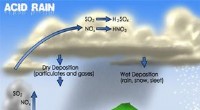
* Dissolution: Some minerals in bedrock, like limestone and halite, dissolve in water. Acid rain enhances this process.
* Oxidation: Iron minerals in bedrock react with oxygen in the presence of water, forming iron oxides that weaken the rock.
* Hydrolysis: Water molecules react with minerals in bedrock, breaking them down into new minerals.
* Biological Weathering: Organisms like lichens, mosses, and tree roots produce acids that can dissolve rock.
Factors Influencing Weathering:
* Climate: Temperature, precipitation, and humidity influence weathering rates.
* Rock type: Some rock types are more resistant to weathering than others.
* Topography: Steep slopes promote erosion, accelerating weathering.
* Time: Weathering is a slow process that takes time.
Consequences of Weathering:
* Soil formation: Weathered bedrock provides the foundation for soil development.
* Landform development: Weathering creates unique landforms, such as caves, canyons, and mesas.
* Environmental impact: Weathering releases minerals and nutrients into the environment.
Note: Weathering is a complex process that involves the interplay of physical, chemical, and biological factors. The specific mechanisms and rates of weathering vary depending on the specific environment and geological context.