Sedimentary Rocks:
* Marine Sediments: The Tertiary was a time of widespread marine transgression (oceans flooding continents), leading to the deposition of vast amounts of marine sediments. These include:
* Limestone: Formed from the accumulation of skeletal remains of marine organisms like foraminifera, corals, and mollusks.
* Siltstone and Sandstone: Deposited in shallower marine environments, often with interbeds of mudstone and claystone.
* Chalk: A type of limestone composed primarily of the microscopic skeletons of coccolithophores.
* Continental Sediments: The Tertiary also saw the formation of various continental deposits, including:
* Conglomerate and Breccia: Coarse-grained sedimentary rocks, often formed from the erosion and redeposition of mountains.
* Sandstone: Deposited in rivers, lakes, and deserts, often containing fossils of terrestrial organisms.
* Mudstone and Shale: Fine-grained sedimentary rocks formed in quiet water environments like lakes and swamps.
* Coal: Formed from the accumulation and decomposition of plant material in swampy environments.
Igneous Rocks:
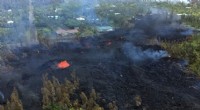
* Volcanic Rocks: The Tertiary saw extensive volcanic activity, particularly in the Pacific "Ring of Fire." These included:
* Basalt: A dark-colored, fine-grained volcanic rock, often associated with oceanic crust formation and hotspots.
* Andesite: An intermediate-colored volcanic rock, common in volcanic arcs associated with subduction zones.
* Rhyolite: A light-colored, silica-rich volcanic rock, associated with explosive eruptions.
* Plutonic Rocks: Intrusive igneous rocks also formed during the Tertiary. Examples include:
* Granite: A coarse-grained, light-colored plutonic rock, often found in mountain ranges.
* Gabbro: A dark-colored, coarse-grained plutonic rock, often associated with oceanic crust.
Metamorphic Rocks:
* Regional Metamorphism: The collision of tectonic plates during the Tertiary caused widespread regional metamorphism, leading to the formation of rocks like:
* Schist: A metamorphic rock with a foliated (layered) texture.
* Gneiss: A metamorphic rock with a banded appearance due to the alignment of minerals.
* Contact Metamorphism: The heat from volcanic activity and intrusions can transform existing rocks into:
* Marble: Metamorphic limestone.
* Hornfels: A hard, fine-grained metamorphic rock.
Key Points:
* The Tertiary was a period of significant rock formation, driven by tectonic activity, volcanic eruptions, and marine transgressions.
* The types of rocks found in any specific region depend on the local geological history.
* The Tertiary period is now subdivided into the Paleogene and Neogene periods, with different rock types and events associated with each.
If you are interested in the specific rock types found in a particular region during the Tertiary, it is essential to consult geological maps and research on that specific area.