Here's how it works:
* Uneven Heating: The sun's energy heats the Earth unevenly. Land heats up faster than water, and the equator receives more direct sunlight than the poles.
* Air Pressure Changes: Warm air is less dense and rises, creating low pressure areas. Cold air is denser and sinks, creating high pressure areas.
* Wind Formation: Air flows from areas of high pressure to areas of low pressure, creating wind.
Specific Examples:
* Sea Breezes: During the day, land heats up faster than the ocean. Warm air over land rises, creating low pressure. Cooler air over the ocean flows in to replace it, creating a sea breeze.
* Land Breezes: At night, the land cools faster than the ocean. The cooler air over the land sinks, creating high pressure. Warm air over the ocean rises, creating low pressure, and air flows from land to sea, creating a land breeze.
Other Weather Phenomena:
Uneven heating also contributes to the formation of other weather phenomena like:
* Global Wind Patterns: Large-scale wind patterns like trade winds and jet streams are driven by uneven heating of the Earth.
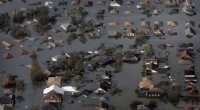
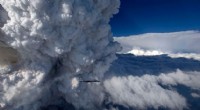
* Storms: Differences in air pressure can lead to the formation of storms, like hurricanes and thunderstorms.
Let me know if you'd like to know more about any of these!