Why They Erupt Both Ways
* Magma Composition: The magma beneath these volcanoes is typically andesitic or dacitic, meaning it's thick and sticky. This viscosity makes it difficult for gas to escape easily, leading to pressure buildup.
* Gas Content: The magma also contains a significant amount of dissolved gases, mainly water vapor.
* Eruption Style: When the pressure builds up, it can be released in two ways:
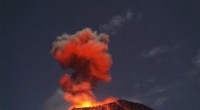
* Explosive Eruptions: The pressure overwhelms the magma's resistance, resulting in violent explosions that send ash, rock, and gas high into the atmosphere.
* Effusive Eruptions: When the pressure is released more gradually, the magma flows out of the volcano as lava, creating flows that spread over the surrounding landscape.
Where to Find Them
Stratovolcanoes are found in subduction zones where tectonic plates collide. This is because subduction zones provide the perfect conditions for the formation of the right type of magma:
* Oceanic-Continental Subduction: Here, denser oceanic plates sink beneath continental plates, melting the mantle and creating andesitic or dacitic magma.
* Oceanic-Oceanic Subduction: Similar to above, but the magma rises through the ocean floor, creating underwater volcanoes, which can eventually grow large enough to break the surface.
Examples of Stratovolcanoes:
* Mount Fuji (Japan)
* Mount Vesuvius (Italy)
* Mount St. Helens (USA)
* Mount Kilimanjaro (Tanzania)
* Mount Etna (Italy)
These volcanoes are often characterized by their conical shape, steep slopes, and layers of lava flows and ash deposits. They are also some of the most dangerous volcanoes on Earth due to their potential for both explosive and effusive eruptions.