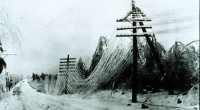
1. Weathering and Erosion:
* Physical Weathering: Wind, rain, ice, and temperature changes break down the cliff's rock into smaller fragments. This process is called weathering.
* Chemical Weathering: Rainwater, which is slightly acidic, dissolves some of the minerals in the cliff, further breaking it down.
* Erosion: Wind, water, and gravity carry away the weathered rock fragments, gradually eroding the cliff face.
2. Transportation and Deposition:
* The eroded rock fragments are transported by wind, water, or ice.
* As the transporting forces slow down, the fragments settle at a new location, usually in a low-lying area like a lake or river bed.
3. Compaction and Cementation:
* Over time, more and more sediment layers accumulate, burying the original fragments.
* The weight of the overlying sediment compresses the lower layers, squeezing out water and air. This process is called compaction.
* Minerals dissolved in the water between the sediment grains crystallize, binding the grains together. This process is called cementation.
4. Lithification:
* Compaction and cementation transform the loose sediment into a solid rock, a process called lithification.
* The type of rock formed depends on the original sediment. Since we're talking about a cliff, it likely started as igneous or metamorphic rock. Over time, the weathering and erosion break this rock down into smaller pieces, creating a mud-like sediment. This sediment is what will eventually become mudstone.
5. Mudstone Formation:
* Mudstone is a fine-grained sedimentary rock that forms from the lithification of clay, silt, and sometimes very fine sand.
* The mudstone layer will retain some evidence of its original cliff form, depending on how much the material was transported and re-deposited. For example, it might have layers tilted at an angle, reflecting the original slope of the cliff.
Important Note: This process takes millions of years. It requires slow, gradual changes over immense periods of time.