Here's why:
* Density Differences: Oceanic crust is denser than continental crust. When they collide, the denser oceanic crust is forced beneath the less dense continental crust.
* Subduction: This process of one plate sliding beneath another is called subduction.
* Features: Subduction zones are associated with several characteristic features, including:
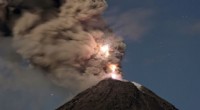
* Volcanoes: As the oceanic plate descends, it melts, producing magma that rises to the surface, often forming chains of volcanoes along the continental margin.
* Trenches: The point where the oceanic plate bends downwards creates a deep depression in the ocean floor called a trench.
* Earthquakes: Subduction zones are areas of high seismic activity, as the plates grind past each other and release energy in the form of earthquakes.
Example: The Andes Mountains in South America are a prime example of a mountain range formed by subduction along the western edge of the South American plate.