Here's a breakdown:
* What: The removal and transportation of materials.
* How: It's caused by forces like:
* Wind: Blowing sand and dust can carve away rock and carry soil.
* Water: Rain, rivers, and ocean waves can erode the land, creating canyons and coastlines.
* Ice: Glaciers can scrape and carve landscapes, leaving behind valleys and other features.
* Where: It occurs everywhere on Earth, from mountains to valleys, coastlines to deserts.
* Impact: Erosion can be both natural and man-made. It can:
* Shape landscapes and create landforms.
* Carry away fertile topsoil, making it difficult for plants to grow.
* Cause landslides and other natural disasters.
* Damage infrastructure like roads and buildings.
Examples of erosion:
* Wind erosion: Dust storms in deserts.
* Water erosion: The formation of the Grand Canyon.
* Ice erosion: The carving of valleys in glaciers.
* Coastal erosion: Waves wearing away the coastline.
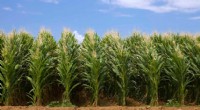
* Soil erosion: Loss of topsoil from farmland due to farming practices.
Understanding erosion is crucial because it plays a major role in shaping our planet and can impact our lives in both positive and negative ways.