* The lithosphere is made up of two parts: the crust (the outer layer) and the uppermost part of the mantle. It's a rigid and brittle layer.
* The asthenosphere is below the lithosphere: This layer of the upper mantle is partially molten and behaves more like a very viscous fluid.
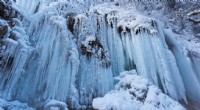
* The lithosphere "rests" on the asthenosphere: Imagine a sheet of ice resting on a pool of water. The ice (lithosphere) is solid, but the water (asthenosphere) flows beneath it. The lithosphere is rigid enough to support mountains and continents, but it can also move and break, causing earthquakes and volcanic activity.
So, rather than floating, the lithosphere sits on top of the asthenosphere and "rides" on its slow-moving currents. This movement is responsible for plate tectonics, which shapes our planet's surface.