However, here are four common categories of rock disturbances that could be helpful:
1. Geological Processes:
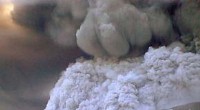
* Tectonic Activity: Earthquakes, volcanic eruptions, and mountain building processes can cause significant rock displacement, fracturing, and folding.
* Erosion: Wind, water, and ice can wear down rocks, transport them, and create new landforms.
* Weathering: Chemical and physical processes like frost wedging, acid rain, and salt crystallization can break down rocks into smaller pieces.
2. Human Activity:
* Mining: Extracting minerals from the earth can cause large-scale rock removal, subsidence, and landform changes.
* Construction: Building roads, bridges, and other structures often involves blasting, excavation, and rock removal.
* Pollution: Acid rain and other pollutants can accelerate weathering and alter the chemical composition of rocks.
3. Impact Events:
* Meteorite Impacts: These can create massive craters, shatter rocks, and even melt them.
4. Biological Processes:
* Plant Roots: Growing roots can exert pressure on rock formations, causing cracks and erosion.
* Animals: Burrowing animals like earthworms and rodents can also contribute to rock fragmentation.
Important Note: These categories are not mutually exclusive. For example, a rock disturbance could be caused by a combination of geological and human activities.
It's also worth noting that some researchers focus on the scale of rock disturbances, classifying them as:
* Local: Affecting a small area, like a landslide.
* Regional: Affecting a larger area, like a volcanic eruption.
* Global: Affecting the entire Earth, like meteorite impacts.
The most appropriate classification depends on the specific research question or application.