1. Rock Cycle:
- Igneous rocks form from the cooling and solidification of magma or lava.
- Sedimentary rocks form from the accumulation, compaction, and cementation of sediments.
- Metamorphic rocks form when existing igneous, sedimentary, or other metamorphic rocks are subjected to heat and pressure.
- These three rock types can transform into each other through various processes, creating a continuous cycle.
2. Tectonic Cycle:
- The Earth's crust is divided into tectonic plates that move slowly over the mantle.
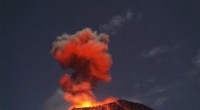
- These movements cause earthquakes, volcanic eruptions, mountain formation, and the creation of new ocean floor.
3. Hydrologic Cycle:
- The continuous movement of water on, above, and below the surface of the Earth.
- It involves processes like evaporation, condensation, precipitation, and runoff.
4. Biogeochemical Cycles:
- The cycling of chemical elements (like carbon, nitrogen, oxygen, phosphorus) through Earth's living and non-living systems.
- These cycles involve biological, geological, and chemical processes.
5. Erosion and Deposition:
- The breakdown and transportation of rocks and sediments by wind, water, ice, or gravity.
- Deposition occurs when these transported materials settle in a new location.
Key Interactions:
* The geologic cycle is driven by internal heat and external forces like the sun and gravity.
* Tectonics influences the formation and destruction of rocks.
* Hydrology plays a key role in erosion, transportation, and deposition of sediments.
* Biogeochemical cycles influence the composition of rocks and sediments.
Importance of the Geologic Cycle:
* Shapes Earth's surface: Responsible for the features we see, like mountains, valleys, and coastlines.
* Provides resources: Minerals, fossil fuels, and water are products of the geologic cycle.
* Influences climate and weather patterns: Erosion and mountain building affect air circulation and precipitation.
Understanding the geologic cycle is crucial for:
* Predicting natural hazards: Earthquakes, volcanic eruptions, and landslides are linked to the cycle.
* Managing resources: Understanding how resources are formed and distributed.
* Protecting the environment: Understanding the impacts of human activities on the cycle.