1. Extinction:
* This is the most permanent state, where a volcano has completely ceased all volcanic activity.
* This happens when the magma source beneath the volcano is depleted or the tectonic plates have shifted, cutting off the magma supply.
* This can take a very long time and is difficult to definitively determine.
2. Dormant:
* This is a temporary state where a volcano is currently inactive but has the potential to erupt again in the future.
* Dormant volcanoes can remain inactive for hundreds or even thousands of years before erupting.
* Examples: Mount Fuji in Japan, Mount Vesuvius in Italy.
3. Active:
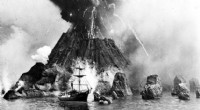
* A volcano is considered active if it has erupted in the last few thousand years or is currently erupting.
* Active volcanoes can have frequent eruptions or long periods of inactivity interspersed with eruptions.
* Examples: Kilauea in Hawaii, Mount Etna in Italy.
4. Erosion and Weathering:
* Over time, volcanoes can be eroded by wind, rain, and ice, eventually becoming flat and unrecognizable as volcanoes.
* This process can take thousands or even millions of years.
5. Collapse:
* Large eruptions can cause a volcano's summit to collapse, forming a caldera.
* This creates a large, crater-like depression that can fill with water and become a lake.
Ultimately, it's impossible to predict when or how a volcano will end its activity. However, understanding the different stages of a volcano's life cycle helps us to better understand their behavior and prepare for potential eruptions.