Direct Impact:
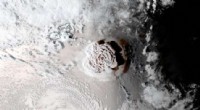
* Pyroclastic Flows: The most immediate and destructive impact was from the pyroclastic flows, superheated avalanches of gas, ash, and rock fragments. These flows incinerated everything in their path, leaving a barren wasteland.
* Ashfall: A massive amount of ash blanketed the surrounding area, burying vegetation and blocking sunlight. This caused widespread defoliation and death of plants, especially trees.
* Lahars: Mudflows (lahars) filled with debris, ash, and water rushed down the slopes, destroying vegetation and leaving a thick layer of sediment.
Indirect Impact:
* Soil Degradation: The ash and debris deposited by the eruption altered the soil chemistry and composition, making it difficult for many plants to survive.
* Loss of Nutrients: The eruption removed nutrients from the soil, further hindering plant growth.
* Erosion: The loss of vegetation left the soil vulnerable to erosion, which further degraded the environment.
Recovery:
Despite the devastation, Mount St. Helens provided a unique opportunity to study ecological succession. Here's what happened in terms of vegetation recovery:
* Pioneer Species: The first plants to colonize the devastated area were hardy, fast-growing species like fireweed, lupine, and grasses. These species can tolerate harsh conditions and helped to stabilize the soil.
* Succession: Over time, as conditions improved, more diverse plant communities began to emerge, with trees like western hemlock and Douglas fir gradually replacing the early pioneers.
* Today: While the landscape remains scarred by the eruption, there has been a remarkable recovery. The area is now home to a vibrant ecosystem with a diverse range of plant species.
Key Takeaways:
* The eruption of Mount St. Helens was a catastrophic event for vegetation, but nature has an incredible ability to recover.
* Ecological succession plays a vital role in the restoration of ecosystems following disturbances.
* The event provided valuable insights into the resilience of ecosystems and the processes of plant succession.