1. Naturally Occurring: Minerals are formed by natural processes, not man-made.
2. Inorganic: They are not derived from living organisms.
3. Solid: They have a definite shape and volume, except for mercury which is liquid at room temperature.
4. Crystalline Structure: Minerals are arranged in a specific, repeating, three-dimensional pattern of atoms or ions. This internal structure is responsible for many of their physical properties.
5. Definite Chemical Composition: Each mineral has a specific chemical formula that determines its composition. This formula can be simple or complex.
6. Physical Properties: Minerals have a distinct set of physical properties that can be used to identify them. These properties include:
* Color: The color of a mineral can vary due to impurities, but often serves as a helpful initial identifier.
* Streak: The color of the mineral's powder when rubbed on a streak plate.
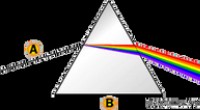
* Luster: How light reflects off the mineral's surface (e.g., metallic, glassy, earthy).
* Hardness: Its resistance to scratching (measured on the Mohs Hardness Scale).
* Cleavage: The tendency to break along specific planes of weakness.
* Fracture: How the mineral breaks when it is not cleaved.
* Crystal Form: The shape of the mineral's crystal.
* Specific Gravity: The density of the mineral compared to water.
7. Unique Formation: Each mineral forms under specific geological conditions (e.g., temperature, pressure, chemical environment).
In summary, a mineral's uniqueness stems from its naturally occurring, inorganic, solid state with a definite chemical composition and crystalline structure. These factors determine its physical properties, allowing us to identify and classify them.