1. Plate Tectonics:
* Convergent Plate Boundaries: When two tectonic plates collide, the denser plate subducts (dives) beneath the less dense plate. This process can create a variety of uplifts:
* Fold Mountains: Compression forces cause the crust to buckle and fold, creating mountains like the Himalayas.
* Thrust Faults: One block of crust is pushed over another, creating a steep fault scarp. The uplifted block can form a plateau or mountain range.
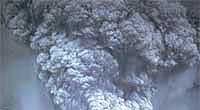
* Volcanoes: Subduction zones are often associated with volcanic activity. The rising magma can push the crust upwards, creating volcanic mountains or plateaus.
* Continental Collision: When two continents collide, the crust is compressed and uplifted. This is how the Himalayan Mountains formed.
2. Mantle Convection:
* Mantle Plumes: These are upwellings of hot, buoyant magma from deep within the mantle. They can create large areas of uplift called "hot spots," which can lead to the formation of volcanic islands (like Hawaii) or large plateaus.
3. Isostatic Adjustment:
* Erosional Unloading: When erosion removes a large amount of material from the surface, the underlying crust will rebound upwards. This can lead to the gradual uplift of mountains or plateaus.
* Glacial Rebound: After glaciers melt, the underlying crust can slowly rebound upwards, leading to uplift.
4. Magmatic Intrusions:
* Batholiths: These are large bodies of magma that solidify within the crust. As they cool and solidify, they can uplift the surrounding rocks, forming mountain ranges or plateaus.
5. Extensional Forces:
* Normal Faults: Extensional forces can cause the crust to stretch and break, creating normal faults. The uplifted blocks can form plateaus or mountain ranges.
It's important to note that:
* These forces often work together in complex ways to create the Earth's diverse landscape features.
* Uplift is a gradual process that can take millions of years.
* The specific type of uplift depends on the type of tectonic setting and the forces involved.