1. Weathering and Erosion:
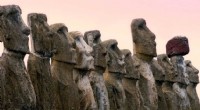
* Weathering breaks down the igneous rock into smaller pieces. This can happen through:
* Physical weathering: Freezing and thawing, wind abrasion, or plant roots can break the rock apart.
* Chemical weathering: Rainwater, acids, and oxidation can dissolve or change the composition of the rock.
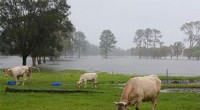
* Erosion then carries these broken pieces away from their original location, transported by wind, water, or ice.
2. Transportation and Deposition:
* The eroded fragments travel until they reach a quieter environment where they settle. This could be a riverbed, lake bottom, ocean floor, or even a desert basin.
* The process of settling and accumulating these fragments is called deposition.
3. Compaction and Cementation:
* Over time, the layers of sediment build up, piling on top of each other. The weight of the overlying layers compacts the sediment, squeezing out water and air.
* Dissolved minerals in the groundwater seep into the spaces between the sediment particles and act as a cement, binding the particles together. This process is called cementation.
4. Lithification:
* Compaction and cementation together solidify the sediment, turning it into solid rock. This process is called lithification.
The result: What was once an igneous rock is now a sedimentary rock, formed from the cemented fragments of the original rock. This new sedimentary rock can be made of sandstone, limestone, shale, or other types of sedimentary rock, depending on the composition of the original igneous rock and the conditions during the rock cycle.