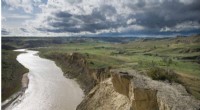
* Rift Valleys: These are large valleys that form as the land is pulled apart. They are often characterized by steep sides and a flat floor.
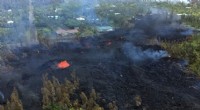
* Volcanic Activity: As the plates separate, magma from the Earth's mantle rises to the surface, creating volcanoes.
* Fault Scarps: These are steep cliffs that form along the edges of the rift valleys, where the land has been broken apart.
* Grabens: These are blocks of land that have been pulled down between two faults.
* Horsts: These are blocks of land that have been pushed up between two faults.
* New Ocean Basins: Over time, if the plates continue to pull apart, the rift valley may eventually widen and fill with water, forming a new ocean basin.
The East African Rift Valley is a prime example of a divergent boundary on land. This vast valley system stretches for thousands of kilometers, and it is home to some of the world's most active volcanoes.
Here's a simplified breakdown:
1. Continental Plates Pull Apart: The force of the plates moving apart causes the land to crack and break.
2. Rift Valley Forms: The broken land sinks, creating a rift valley.
3. Magma Rises: As the plates pull further apart, magma rises from the Earth's mantle to fill the gap.
4. Volcanoes Form: The magma erupts at the surface, forming volcanoes.
5. New Ocean Basin Forms: Over millions of years, the rift valley can widen and fill with water, eventually becoming a new ocean basin.