Here's a breakdown:
Forces Driving the Rock Cycle Beneath the Surface:
* Heat and Pressure: The Earth's interior is incredibly hot due to radioactive decay and residual heat from Earth's formation. This heat drives convection currents in the mantle, which is the layer beneath the crust. The immense pressure at these depths can also cause rocks to transform, melt, or recrystallize.
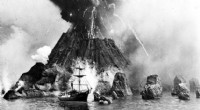
* Magma and Volcanic Activity: Molten rock, known as magma, rises from the mantle and sometimes erupts on the surface as lava. This process, called volcanism, creates new igneous rocks and can also influence the formation of metamorphic rocks.
* Plate Tectonics: The Earth's crust is divided into large plates that move and interact. These interactions, including collisions, subduction (one plate sliding under another), and rifting (plates pulling apart), exert tremendous pressure and heat, causing rocks to change form.
Forces Driving the Rock Cycle On or Near the Surface:
* Weathering: The breakdown of rocks by wind, rain, ice, and biological processes. This process transforms existing rocks into sediments.
* Erosion: The transportation of weathered rock fragments by wind, water, or ice. Erosion deposits these sediments in new locations.
* Deposition: The settling of sediments in new locations, eventually forming layers.
* Cementation and Compaction: The processes that transform loose sediments into sedimentary rocks.
Key Differences:
* Temperature and Pressure: The extreme heat and pressure within Earth's interior are the primary driving forces for the formation of igneous and metamorphic rocks. On the surface, these factors are much less significant, and the primary focus is on the breakdown and transportation of rocks.
* Magmatism: Magma and volcanic activity play a crucial role in the rock cycle below the surface, creating new igneous rocks and influencing metamorphic processes. These processes are not present on the surface.
* Plate Tectonics: The movement of tectonic plates is a fundamental force shaping the rock cycle beneath the surface. On the surface, plate tectonics indirectly influence weathering, erosion, and deposition patterns.
In essence, the rock cycle is a continuous process driven by different forces operating at different scales. While weathering and erosion play a crucial role on the surface, the deeper processes of heat, pressure, magmatism, and plate tectonics are the primary drivers of the rock cycle beneath the Earth's crust.