1. Convergent Plate Boundaries:
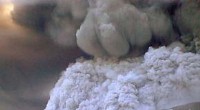
* Subduction Zones: When an oceanic plate collides with a continental plate, the denser oceanic plate subducts (slides) beneath the continental plate. As the oceanic plate descends, it melts and creates magma that rises to the surface, leading to volcanic eruptions and the formation of volcanic mountains.
* Continental-Continental Collisions: When two continental plates collide, they buckle and fold, creating mountain ranges. These ranges are often located near coastlines, forming coastal mountains.
2. Faulting and Uplift:
* Normal Faults: In areas where the Earth's crust is being pulled apart, normal faults form. The hanging wall (the block above the fault) moves down relative to the footwall (the block below the fault). This downward movement can create valleys and expose underlying rocks, potentially leading to the formation of coastal mountains.
* Reverse Faults: In areas where the Earth's crust is being compressed, reverse faults form. The hanging wall moves upward relative to the footwall. This upward movement can push rocks upward, creating mountain ranges.
3. Erosion and Weathering:
* Over long periods of time, erosion and weathering by wind, water, and ice can sculpt and shape mountains, creating dramatic coastal landscapes.
Examples:
* The Andes Mountains: Formed by the subduction of the Nazca Plate beneath the South American Plate.
* The Cascade Range: Formed by volcanic activity along the Pacific Northwest coast.
* The Sierra Nevada Mountains: Formed by uplift along the San Andreas Fault.
Other Factors:
* Climate: Climate plays a role in erosion and weathering, shaping coastal mountain features.
* Sea Level Changes: Fluctuations in sea level can influence coastal mountain formation and erosion patterns.
In summary, coastal mountains are formed by a complex interplay of tectonic forces, volcanic activity, faulting, uplift, erosion, and weathering. The specific processes involved vary depending on the location and geological history of the area.