Here's why:
* Rivers: Rivers carve valleys, create deltas, and transport sediment, leading to features like canyons, floodplains, and meandering channels.
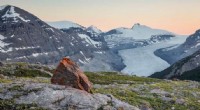
* Ice: Glaciers erode and carve valleys, leaving behind U-shaped valleys, moraines, and cirques.
* Volcanoes: Volcanoes build cones, create craters, and release lava flows that shape landscapes. Ice volcanoes, also known as cryovolcanoes, erupt with water, ammonia, or methane, shaping landscapes on icy moons and planets.
* Seas: Seas create coastlines, erode cliffs, and deposit sediments, forming beaches, bays, and islands.
To give you a more specific answer, I need to know:
* What kind of landscape are you interested in? Is it a terrestrial landscape, a planetary landscape, or something else?
* What is the relative importance of each feature? Are rivers the dominant force, or are volcanoes more significant?
* What are you trying to understand about the landscape? Are you looking for a particular type of feature, or are you interested in the overall process of landscape formation?
Once I have more information, I can give you a more accurate and helpful answer.