1. Physical Weathering: This involves the breakdown of rocks into smaller pieces without changing their chemical composition.
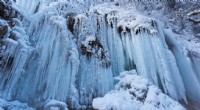
* Frost Wedging: Water seeps into cracks in rocks, freezes and expands, putting pressure on the rock. Repeated freezing and thawing can cause the rock to break apart.
* Thermal Expansion and Contraction: Fluctuations in temperature cause rocks to expand and contract. This can lead to stress and fracturing over time, especially if the rock is composed of different minerals with varying thermal properties.
* Abrasion: Rocks and sediment are transported by wind, water, or ice, causing them to collide and break apart.
* Exfoliation: Layers of rock peel away, often due to the release of pressure from overlying rock. This is common in areas where granite is exposed.
* Biological Weathering: Plant roots can grow into cracks and break rocks apart. Burrowing animals like earthworms and rodents can also contribute to weathering.
2. Chemical Weathering: This involves the breakdown of rocks through chemical reactions, resulting in a change in the rock's composition.
* Dissolution: Some minerals, like calcite in limestone, dissolve in water, especially acidic water.
* Oxidation: Iron in rocks reacts with oxygen to form iron oxide (rust), which weakens the rock.
* Hydrolysis: Water molecules react with minerals in rocks, changing their composition. For example, feldspar can be hydrolyzed to form clay minerals.
* Carbonation: Carbon dioxide in the atmosphere dissolves in rainwater to form carbonic acid. This acid can react with minerals in rocks like limestone, causing them to dissolve.
* Biological Weathering: Some organisms, like lichens, produce acids that can dissolve rocks.
Factors influencing weathering:
* Climate: Temperature, rainfall, and humidity all influence weathering rates.
* Rock Type: Different rock types have varying resistances to weathering.
* Topography: Steeper slopes experience more rapid weathering due to increased erosion.
* Vegetation: Plant roots can contribute to weathering, while vegetation can also protect rocks from erosion.
Importance of weathering:
Weathering is a crucial process in the formation of soils, shaping landscapes, and creating a variety of landforms. It also plays a role in the cycling of nutrients and the creation of mineral resources.