Here's a breakdown of why fossils are important carbon reservoirs:
* Origin: Fossils form from the remains of living organisms, like plants and animals, which are rich in carbon.
* Burial and Preservation: Over time, these remains get buried under layers of sediment, which prevents decomposition and oxidation, allowing the carbon to be preserved.
* Carbon Sequestration: This burial process sequesters the carbon from the atmosphere and prevents its release back into the environment.
* Fossil Fuels: Over millions of years, pressure and heat transform these buried organic materials into fossil fuels like coal, oil, and natural gas. These fuels contain vast amounts of carbon stored in their chemical bonds.
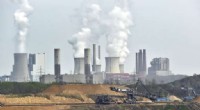
* Carbon Release: When we extract and burn these fossil fuels, the stored carbon is released back into the atmosphere as carbon dioxide, contributing to climate change.
In essence, fossils represent a massive carbon sink, storing carbon that would otherwise be cycling through the atmosphere and biosphere. This makes them a crucial part of Earth's carbon cycle and understanding their formation and the consequences of extracting their carbon is essential for addressing climate change.