Here's a simplified explanation:
1. Early Earth: The Earth started as a molten ball, gradually cooling and solidifying. This process led to the formation of the first continents, which were much smaller and likely not in the same positions as they are today.
2. Plate Formation: The Earth's outer layer, called the lithosphere, is divided into large, rigid plates. These plates are constantly moving, driven by heat from the Earth's mantle.
3. Plate Interactions: These plates interact in various ways:
* Convergent Boundaries: Plates collide, leading to mountains, volcanoes, and earthquakes. Continental collisions form mountain ranges like the Himalayas. Oceanic plates subduct (slide under) continental plates, leading to volcanic arcs and trenches.
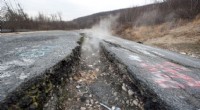
* Divergent Boundaries: Plates move apart, creating new crust and allowing magma to rise. This forms mid-ocean ridges, where new ocean floor is created, and rift valleys on land.
* Transform Boundaries: Plates slide past each other horizontally, causing earthquakes. The San Andreas Fault is a classic example.
4. Continents Move and Merge: Over millions of years, the movement and interactions of these plates have caused continents to drift, collide, and separate, forming the continents and oceans we know today.
It's important to note that the continents are still moving, though very slowly (a few centimeters per year). The Earth's surface is constantly changing, and the landmasses will continue to evolve in the future.
So, rather than "separating," the landmasses formed and changed over immense periods of time due to the dynamic and ongoing process of plate tectonics.