Supercontinent Pangea's Breakup:
* Continents drifting: Pangea, the supercontinent that existed during the Triassic and Jurassic periods, continued to break apart, with the continents drifting further away from each other.
* Atlantic Ocean's expansion: The widening gap between North America and Europe, and South America and Africa, led to the expansion of the Atlantic Ocean.
Landmass Formations:
* Laurasia and Gondwana: While the breakup continued, two major landmasses remained: Laurasia in the north (composed of North America, Europe, and Asia) and Gondwana in the south (comprising South America, Africa, Antarctica, Australia, and India).
* Mountain building: The collision of tectonic plates caused mountain ranges to form. For example, the Rocky Mountains in North America and the Andes in South America began to rise.
Specific Landforms:
* Shallow seas: Large inland seas, often called epicontinental seas, covered significant parts of the continents, particularly in North America and Europe. These seas were shallow and warm, ideal for the flourishing of marine life.
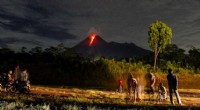
* Volcanic activity: Frequent volcanic eruptions played a significant role in shaping the landscape. Some areas were covered in volcanic ash and lava flows.
* Floodplains and deltas: River systems formed vast floodplains and deltas, providing rich environments for plants and animals.
* Coastal plains: The edges of continents often featured broad coastal plains, extending inland from the shallow seas.
* Coral reefs: Coral reefs flourished in the warm, shallow waters of the tropical seas.
Impact on Life:
* Diverse environments: The diverse landforms of the Cretaceous provided a variety of habitats for a wide range of plants and animals, contributing to the incredible biodiversity of this period.
* Dinosaurs thrived: Dinosaurs thrived in the vast plains, forests, and swamps, while marine reptiles, like mosasaurs and plesiosaurs, dominated the oceans.
* Early flowering plants: The emergence and diversification of flowering plants during the Cretaceous revolutionized plant life and ultimately led to the evolution of modern ecosystems.
It's important to remember that the Cretaceous landscape was constantly evolving, with the shifting continents and ongoing mountain building creating new landforms and reshaping existing ones. This dynamic geological activity significantly shaped the Earth as we know it today.