1. Active Stage:
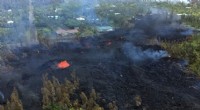
* Characteristics: This is the period when the volcano is currently erupting or shows signs of imminent eruption.
* Activities: Frequent eruptions, emission of gases, steam, and ash, seismic activity (earthquakes), ground deformation (swelling or sinking), changes in heat flow.
* Example: Mount Etna in Italy is currently in an active stage with regular eruptions.
2. Dormant Stage:
* Characteristics: This is the period when the volcano is quiet and not actively erupting, but still considered potentially active.
* Activities: Minimal to no volcanic activity, but may exhibit some signs like low-level gas emissions or occasional small earthquakes.
* Example: Mount Fuji in Japan is considered dormant, but its last eruption was in 1707, indicating potential for future activity.
3. Extinct Stage:
* Characteristics: This stage describes a volcano that is considered unlikely to erupt ever again.
* Activities: No volcanic activity of any kind, erosion and weathering over time can significantly alter the volcano's shape.
* Example: The Hawaiian volcano Kohala is considered extinct, having last erupted over 60,000 years ago.
Important Note: It's crucial to remember that these stages are not always clearly defined, and transitioning between them can be gradual. A volcano can also switch between stages over time. For example, a volcano may be considered dormant for centuries but then become active again.
Furthermore, it's difficult to conclusively declare a volcano extinct as their potential for reactivation can remain, especially for those with a history of eruptions.