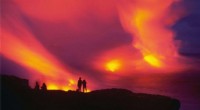
Active Volcanoes:
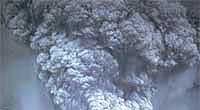
* Mount Etna (Sicily): Europe's tallest and most active volcano.
* Mount Vesuvius (Campania): Famous for its eruption that destroyed Pompeii and Herculaneum in 79 AD.
* Stromboli (Aeolian Islands): Known for its frequent, spectacular eruptions.
* Vulcano (Aeolian Islands): One of the islands in the Aeolian archipelago named after the Roman god of fire.
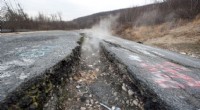
* Solfatara (Campania): A volcanic crater near Naples that emits sulfurous gases.
Extinct Volcanoes:
* Monte Amiata (Tuscany): A large extinct volcano with a caldera, now a popular hiking and skiing destination.
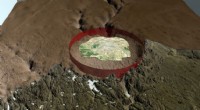
* Monte Vulture (Basilicata): An extinct volcano that has formed a beautiful lake in its crater.
* Roccamonfina (Campania): An extinct volcano with a large, eroded caldera.
* Monte Cimini (Lazio): An extinct volcanic complex that includes several craters and lava flows.
Other Notable Volcanic Features:
* Campi Flegrei (Campania): A large volcanic field near Naples with several craters and volcanic vents.
* Ischia (Campania): An island with a complex volcanic history, including a volcanic lake and hot springs.
* Lipari (Aeolian Islands): The largest of the Aeolian Islands, with a volcanic past and beautiful volcanic landscapes.
This list provides a good overview of Italian volcanoes, but there are other smaller volcanoes and volcanic features scattered throughout the country.