1. Weathering:
* Physical Weathering: This is the breakdown of rock by physical forces like:
* Freezing and Thawing: Water seeps into cracks in rocks, freezes (expands), and breaks the rock apart.
* Wind Abrasion: Wind carries sand and dust particles that can wear down rock surfaces.
* Thermal Expansion and Contraction: Temperature changes can cause rock to expand and contract, leading to cracking.
* Chemical Weathering: This is the breakdown of rock by chemical reactions:
* Acid Rain: Rainwater slightly acidic due to pollutants can dissolve some minerals in rock.
* Oxidation: Oxygen reacts with minerals in rock, breaking them down.
* Hydrolysis: Water reacts with minerals in rock, changing their chemical composition.
2. Erosion:
* Gravity: Weathered rock fragments tumble down slopes due to gravity.
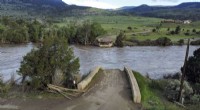
* Water: Rain and rivers carry weathered rock particles downhill.
* Wind: Wind can pick up small rock particles and transport them.
* Glaciers: Massive glaciers can grind down mountains, carrying large amounts of rock debris.
3. Transportation:
* Rivers: Rivers carry sediments (rock fragments, sand, silt) downstream to valleys.
* Wind: Wind carries dust and smaller rock particles long distances.
* Glaciers: Glaciers transport large amounts of rock debris to valleys.
4. Deposition:
* Rivers: Rivers slow down in valleys, depositing sediments along their banks.
* Wind: Wind slows down in valleys, dropping sediments.
* Glaciers: Glaciers melt in valleys, depositing their load of rock debris.
5. Soil Formation:
* Organic Matter: Decomposition of plant and animal matter adds organic matter to the deposited rock fragments.
* Weathering and Erosion: Continued weathering and erosion of the deposited rock fragments create finer soil particles.
* Biological Activity: Earthworms, insects, and other organisms mix the soil, further contributing to its formation.
In Summary: The journey of rock particles from a mountain to a valley is a long and complex process involving weathering, erosion, transportation, and deposition. This process leads to the formation of fertile soil in valleys, providing a foundation for plant life and supporting ecosystems.