1. Carbon Dioxide Dissolves in Water:
Rainwater naturally absorbs carbon dioxide from the atmosphere, forming carbonic acid (H2CO3). This is a weak acid, but it's still powerful enough to affect rocks.
2. Carbonic Acid Reacts with Minerals:
When carbonic acid comes into contact with rocks, it reacts with certain minerals, particularly calcium carbonate (CaCO3) found in rocks like limestone and marble.
3. Chemical Breakdown:
The reaction between carbonic acid and calcium carbonate creates calcium bicarbonate (Ca(HCO3)2), which is soluble in water. This dissolved calcium bicarbonate is then carried away by rainwater, leaving behind a weakened, weathered rock.
4. Physical Changes:
The chemical breakdown through carbonation also contributes to physical changes in the rock. The dissolving of minerals weakens the rock's structure, leading to:
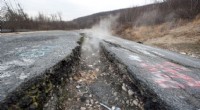
* Fracturing and cracking: This allows for further weathering and erosion.
* Formation of caves and sinkholes: In areas with significant limestone deposits, carbonation can lead to the formation of caves and sinkholes as the rock is dissolved away.
Overall Impact:
Carbonation weathering is a slow but continuous process that plays a crucial role in:
* Sculpting landscapes: Over long periods, carbonation can significantly alter the shape and form of mountains, cliffs, and valleys.
* Soil formation: As rocks weather, they break down into smaller particles, contributing to the development of soil.
* Nutrient cycling: The dissolved minerals from weathered rocks eventually end up in oceans and other water bodies, where they become nutrients for marine life.
In summary: Carbon dioxide in the atmosphere, through the formation of carbonic acid, acts as a chemical weathering agent that dissolves certain minerals in rocks, contributing to their breakdown and shaping the landscape over time.