1. Erosion: This involves the wearing away and transportation of rock and soil by natural forces like wind, water, and ice.
* Wind erosion: Wind picks up loose particles and carries them away, often depositing them in dunes or other wind-blown deposits.
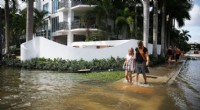
* Water erosion: Rivers, streams, and ocean currents carry sediment downstream or offshore, eroding the landscape and depositing sediment in new locations.
* Ice erosion: Glaciers carve out valleys and transport rocks and sediment, leaving behind moraines and other glacial deposits.
2. Deposition: This is the process of sediment settling and accumulating in a new location.
* Gravity: Sediment can fall from cliffs or slopes due to gravity, forming talus slopes or landslides.
* Water: Rivers, streams, and oceans slow down, losing energy and dropping their sediment loads. This creates deltas, beaches, and other depositional environments.
* Wind: As wind loses energy, it drops its sediment load, creating dunes, loess deposits, and other wind-blown features.
These two processes, erosion and deposition, work together constantly to reshape the Earth's surface, transporting sediment from one location to another and creating diverse landforms.