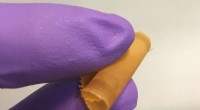
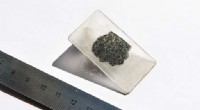
* Formation Process: Sedimentary rocks form from the accumulation and cementation of sediments like sand, mud, and organic matter. These sediments often contain the remains of organisms.
* Preservation: The slow burial and compression of sediments create the right conditions for preserving fossils.
* Types of Sedimentary Rocks: The most common types of sedimentary rocks that contain fossils are:
* Limestone: Formed from the accumulation of marine organism shells and skeletons.
* Sandstone: Formed from sand grains, often containing fossilized shells, bones, or footprints.
* Shale: Formed from fine-grained clay, which can preserve delicate fossils.
* Conglomerate: Formed from larger pebbles and gravel, often containing fossils within the matrix.
Other Rock Types:
While rare, fossils can occasionally be found in:
* Metamorphic rocks: Some fossils can survive the heat and pressure involved in metamorphism, but they are often distorted or altered.
* Igneous rocks: It's extremely rare to find fossils in igneous rocks, as the intense heat and magma would destroy any organic remains.
Important Note: The type of rock a fossil is found in can tell us a lot about the environment the organism lived in. For example, a fossil found in limestone suggests the organism lived in a marine environment.