* Tectonic Activity is Complex: Tectonic activity includes earthquakes, volcanic eruptions, tsunamis, and landslides. The risk of any of these events is influenced by:
* Plate Boundaries: The location of a country relative to plate boundaries.
* Fault Lines: Active fault lines within a country.
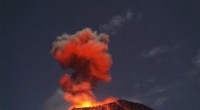
* Volcanic Activity: The presence of active volcanoes.
* Terrain and Geology: The types of rocks and soil, and the topography of the region.
* Human Factors: The vulnerability of a country to tectonic hazards also depends on:
* Population Density: The concentration of people in high-risk areas.
* Infrastructure: The quality of buildings and infrastructure.
* Disaster Preparedness: The effectiveness of warning systems and emergency response.
Therefore, instead of listing specific countries, it's more accurate to say that any country located near a plate boundary or with active volcanoes is potentially at risk from tectonic activity.
Here are some examples of regions with high tectonic activity:
* The Pacific "Ring of Fire": This area encircles the Pacific Ocean and is known for its frequent earthquakes and volcanic eruptions. Countries here include:
* Japan
* Indonesia
* Philippines
* Chile
* Mexico
* United States (western states)
* The Mediterranean Sea: A region with a complex tectonic setting and high earthquake risk, including:
* Italy
* Greece
* Turkey
* The Himalayas: A young and active mountain range prone to earthquakes and landslides, including:
* Nepal
* India
* Pakistan
* The Andes Mountains: A chain of volcanoes and fault lines that runs along the western coast of South America, including:
* Colombia
* Ecuador
* Peru
Remember: The risk from tectonic activity is not limited to these areas. Many other countries worldwide experience earthquakes, volcanic eruptions, or tsunamis. It's important to be aware of the risks in your region and to take precautions.