1. Climate:
* Altitude: Higher altitudes generally experience colder temperatures and lower air pressure. Mountain ranges create rain shadows, impacting precipitation patterns on either side.
* Slope: Steep slopes can influence wind patterns and solar radiation, affecting temperature and humidity.
* Aspect: The direction a slope faces influences the amount of sunlight it receives, affecting vegetation growth and microclimates.
2. Drainage patterns and water resources:
* Topography: Mountains and hills direct water flow, creating rivers, valleys, and watersheds. The slope and shape of the terrain influence water velocity and erosion.
* Drainage patterns: The arrangement of rivers and streams determines the distribution of water resources and their potential for human use.
3. Vegetation and biodiversity:
* Microclimates: Topography influences microclimates, creating variations in temperature, humidity, and sunlight that support different plant and animal communities.
* Soil type: Topography affects soil formation and distribution, influencing vegetation types and biodiversity.
* Elevation: Elevation zones support different types of vegetation, with higher elevations typically supporting more limited plant life.
4. Human settlements and infrastructure:
* Accessibility: Topography influences the ease of access to certain areas, affecting the location of settlements, roads, and other infrastructure.
* Land use: The shape and slope of the land determine its suitability for different land uses, such as agriculture, urban development, or recreation.
5. Natural hazards:
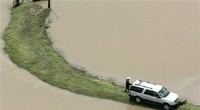
* Flooding: Low-lying areas and river valleys are susceptible to flooding, determined by topography and drainage patterns.
* Landslides: Steep slopes and unstable soil are prone to landslides, impacting infrastructure and safety.
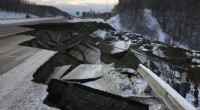
* Earthquakes: Topography can influence the severity of earthquake damage, with mountainous areas potentially experiencing greater impacts.
6. Geological processes:
* Erosion: Topography affects the rate and patterns of erosion, shaping landscapes over time.
* Sediment transport: The movement of sediment is influenced by the slope and shape of the terrain, leading to deposition in lower areas.
Overall, the surface features of an area are essential for understanding its climate, water resources, biodiversity, human settlements, natural hazards, and geological processes. They provide valuable insights into the complex interactions that shape our planet.