1. River Erosion:
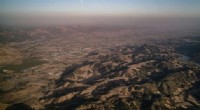
* This is the most common way canyons form, similar to the Grand Canyon.
* A river cuts through rock over a long period, carving out a deep channel.
* Factors influencing river erosion:
* Water volume and velocity: Stronger, faster rivers erode faster.
* Rock type: Some rocks are more resistant to erosion than others.
* Climate: Areas with heavy rainfall or glacial meltwater have faster erosion.
2. Glacial Erosion:
* Glaciers, massive sheets of ice, can carve out deep valleys called glacial valleys.
* As glaciers move, they scrape and erode the underlying rock.
* Characteristics of glacial valleys:
* U-shaped profile: Unlike river valleys, which are typically V-shaped.
* Often contain lakes: Formed as glacial ice melts and leaves depressions.
3. Fault Erosion:
* Earthquakes can create faults, cracks in the earth's crust.
* Over time, erosion along fault lines can form canyons.
* Characteristics of fault canyons:
* Often steep and straight-sided: Due to the sharp break in the rock.
* May have distinctive rock formations: Caused by the movement along the fault.
4. Coastal Erosion:
* Waves crashing against cliffs can erode the rock, creating canyons.
* Characteristics of coastal canyons:
* Often found along rugged coastlines.
* May have sea caves or arches: Formed by the erosion of softer rock.
5. Wind Erosion:
* Wind can carry sand and dust, eroding exposed rock.
* This is more common in arid regions.
* Characteristics of wind-carved canyons:
* Often have smooth, rounded surfaces.
* May have hoodoos or other unusual rock formations.
The Grand Canyon is unique because:
* Its massive size: It's one of the largest and deepest canyons in the world.
* Its history: It took millions of years to form, revealing layers of rock dating back billions of years.
* Its diversity of geological features: It has rock formations, fossils, and landscapes unlike any other canyon.
Remember, each canyon has its own story to tell, formed by unique combinations of geological processes and time.