Here's why:
* Plate Tectonics: The Ring of Fire is located around the Pacific Ocean, where several tectonic plates meet and interact. These plates are constantly moving, colliding, and sliding past each other.
* Subduction Zones: A major cause of earthquakes and volcanoes in the Ring of Fire is subduction. This is where one tectonic plate slides beneath another. This process releases enormous amounts of energy, causing earthquakes, and creates molten rock (magma) that rises to the surface, causing volcanic eruptions.
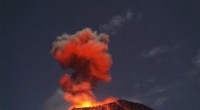
* Volcanic Activity: The Ring of Fire is home to over 75% of the world's active volcanoes.
* Seismic Activity: The Ring of Fire experiences a high percentage of the world's earthquakes, including some of the most powerful ones recorded.
Some notable examples of the Ring of Fire's activity include:
* The 2011 Tohoku earthquake and tsunami in Japan.
* The 1980 eruption of Mount St. Helens in the United States.
* The ongoing volcanic activity in the Philippines and Indonesia.
The Ring of Fire is a fascinating and dynamic area that highlights the powerful forces at play within Earth's crust.