1. Open-pit Mining:
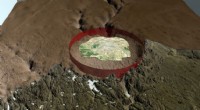
* Large-scale deposits: This method is used for large, near-surface bornite deposits.
* Process:
* Massive quantities of overburden (rock and soil) are removed to access the ore body.
* Heavy machinery excavates and loads the ore into trucks or conveyors.
* The ore is then crushed and transported to processing facilities.
* Advantages:
* Cost-effective for large deposits.
* High production rates.
* Disadvantages:
* Significant environmental impact due to land disturbance.
* Potentially dangerous due to the use of heavy machinery.
2. Underground Mining:
* Deep or smaller deposits: Used when bornite occurs at depth or in smaller, isolated deposits.
* Methods:
* Shaft mining: Deep vertical shafts are dug, allowing access to the ore body.
* Adit mining: Horizontal tunnels are driven into the mountainside to access the ore.
* Room and pillar: Large rooms are excavated, leaving pillars of ore to support the roof.
* Advantages:
* Reduced surface impact.
* Can access deeper deposits.
* Disadvantages:
* More complex and expensive than open-pit mining.
* Potential for accidents and health risks for miners.
3. Placer Mining:
* Applicable to weathered deposits: This method is used when bornite has been liberated from its original host rock and concentrated in alluvial deposits.
* Process:
* Gold panning, sluicing, or dredging are used to extract the bornite from the sediment.
* Advantages:
* Relatively simple and low-cost.
* Disadvantages:
* Only effective for certain deposit types.
* Can have significant environmental impact if not properly managed.
Processing of Bornite:
After mining, bornite is processed to extract copper, which is its primary use. The process typically involves:
* Crushing and grinding: Ore is reduced to smaller particles for efficient extraction.
* Flotation: A process where air is blown through a slurry of ore, causing the copper minerals (including bornite) to attach to air bubbles and float to the surface.
* Smelting: The concentrated copper ore is melted and impurities are removed, resulting in refined copper.
It's important to note that bornite is often found alongside other copper minerals, and the specific mining and processing methods will vary based on the composition of the ore.