Earthquakes:
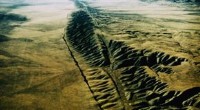
* Plate Boundaries: Earth's tectonic plates are constantly moving, colliding, separating, and sliding past each other. These boundaries are where the majority of earthquakes occur.
* Fault Lines: The edges of these plates are where fault lines exist. Fault lines are fractures in the Earth's crust where rocks have moved past each other.
* Stress and Release: As plates move, they build up stress along these fault lines. When the stress exceeds the strength of the rocks, the fault ruptures, releasing energy in the form of seismic waves that cause earthquakes.
Landslides:
* Earthquakes: Earthquakes can trigger landslides by shaking the ground, loosening soil and rock. This can cause slopes to become unstable and collapse.
* Volcanic Activity: Volcanic eruptions can also cause landslides. The heat from the eruption can melt snow and ice, creating mudflows that can rush down slopes.
* Plate Movements: Plate tectonics can slowly deform the Earth's surface over time, creating unstable slopes that are prone to landslides.
Tsunamis (Tidal Waves):
* Underwater Earthquakes: The most common cause of tsunamis is underwater earthquakes, particularly those occurring along subduction zones.
* Subduction Zones: These are areas where one tectonic plate slides beneath another. The movement creates a massive disturbance in the ocean floor, displacing a large volume of water.
* Giant Waves: This displacement generates a series of giant waves that radiate outward from the epicenter of the earthquake. These waves can travel across vast distances and reach incredible heights when they reach shallow water near coastlines.
It's important to note:
* Not all plate movements cause disasters. Plate movements can be slow and gradual, causing only subtle changes to the Earth's surface.
* Other factors contribute: While plate tectonics is the primary driver, other factors, like rainfall and human activities, can also contribute to landslides and other natural disasters.
Understanding the relationship between plate tectonics and these natural disasters is crucial for predicting and mitigating their effects, protecting human life and property.