Both mountains and earthquakes are products of plate tectonics, the theory that Earth's outer layer is broken into large plates that move around on the hot, molten mantle. This movement causes a variety of geological phenomena, including the creation of mountains and the occurrence of earthquakes.
How Mountains are Made:
* Convergent Plate Boundaries: When two plates collide, they can buckle, fold, and push upward, creating mountains. This is called mountain building or orogenesis.
* Continental-Continental Collision: When two continental plates collide, they are of equal density and neither can subduct (slide beneath the other). This results in a folded mountain range, like the Himalayas.
* Oceanic-Continental Collision: When an oceanic plate collides with a continental plate, the denser oceanic plate subducts beneath the continental plate. This can create volcanic mountain ranges like the Andes Mountains.
* Fault-Block Mountains: These mountains form when tectonic forces cause large blocks of Earth's crust to break and move relative to each other. The uplifted blocks form mountains, while the lowered blocks form valleys.
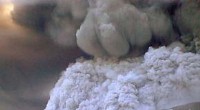
* Volcanic Mountains: These are formed when magma rises from the Earth's mantle and erupts onto the surface, building up over time to form a cone-shaped mountain.
How Earthquakes Happen:
* Stress and Strain: As tectonic plates move, they build up stress along their boundaries. This stress causes the rocks to deform and accumulate strain.
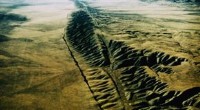
* Faulting: When the stress exceeds the strength of the rocks, they break along a fault. Faults are fractures in the Earth's crust.
* Sudden Movement: The sudden release of energy along the fault causes the ground to shake. This shaking is what we experience as an earthquake.
* Types of Faults: Earthquakes occur along different types of faults:
* Normal Faults: Occur when rocks pull apart, resulting in the hanging wall moving down relative to the footwall.
* Reverse Faults: Occur when rocks are pushed together, causing the hanging wall to move up relative to the footwall.
* Strike-Slip Faults: Occur when rocks slide horizontally past each other.
Connection between Mountains and Earthquakes:
* Mountains are often formed at convergent plate boundaries where earthquakes are also common.
* The movement of tectonic plates that causes mountains also causes earthquakes.
* Earthquakes can sometimes trigger landslides, rockfalls, and other events that can reshape mountains.
Conclusion:
Mountains and earthquakes are closely linked geological processes that result from the dynamic movement of Earth's tectonic plates. Understanding the theory of plate tectonics allows us to better comprehend the forces that shape our planet and the hazards that come with it.