Here's a breakdown of how it works:
* Plucking: As a glacier moves, it melts at its base, creating water that seeps into cracks in the bedrock. This water freezes and expands, creating pressure that wedges pieces of rock loose. The glacier then carries these pieces away.
* Abrasion: The ice, loaded with rocks and sediment, grinds against the bedrock as it moves. This process, similar to sandpaper, smooths and polishes the surface, creating grooves and scratches known as glacial striations.
Other terms related to glacial erosion:
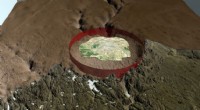
* Cirque: A bowl-shaped depression carved out by glacial erosion at the head of a valley.
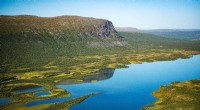
* U-shaped valley: A valley carved by a glacier, with a characteristic U-shaped cross-section.
* Moraine: A pile of rock debris deposited by a glacier.
Glacial erosion is a powerful force that can reshape landscapes, creating stunning features like valleys, fjords, and mountains.