Subduction: The Process
* Oceanic Plates Collide: At convergent plate boundaries, denser oceanic plates collide with either other oceanic plates or continental plates.
* One Plate Descends: The denser plate (usually the older and colder oceanic plate) plunges beneath the less dense plate, a process known as subduction.
* The Trench Forms: This downward movement creates a deep, narrow depression called a trench at the point of contact.
Fate of the Subducted Seafloor
* Melting and Recycling: As the seafloor rock descends into the Earth's mantle, it encounters increasing heat and pressure. This causes the rock to partially melt, releasing fluids and volatile compounds.
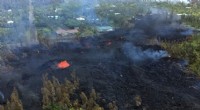
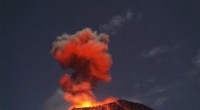
* Magma Generation: The melted material rises, creating magma that fuels volcanic activity. This magma is often enriched in water and other elements from the subducted seafloor.
* Volcanic Arcs: The rising magma often erupts at the surface, forming volcanic arcs along the edge of the continental plate or creating island arcs in the ocean.
Other Changes
* Metamorphism: Before complete melting, the subducted seafloor rock undergoes metamorphism, transforming into new mineral assemblages under intense heat and pressure.
* Mineral Liberation: The melting process releases minerals, including valuable metals like gold and copper, which can be concentrated in the overlying crust.
* Crustal Growth: The recycled material from the subducted seafloor contributes to the growth of continents and the formation of new oceanic crust.
In Summary:
The fate of old seafloor rock in trenches is one of recycling and renewal. It's a key part of the Earth's dynamic system, driving plate tectonics, shaping landscapes, and contributing to the cycle of creation and destruction that has shaped our planet.