Here's why:
* Formation Mechanism: The Sierra Nevada mountains were formed by a process called block faulting, where large blocks of the Earth's crust were uplifted along faults. This was driven by the westward movement of the North American plate over a region of hot, buoyant mantle material known as a mantle plume.
* No Subduction: In contrast to mountains formed by plate collisions (like the Andes), the Sierra Nevada mountains were not formed by subduction, where one plate slides beneath another. There is no evidence of subduction in the region.
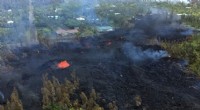
* Volcanism: While there is some volcanism associated with the Sierra Nevada, it is not directly related to a plate collision. The volcanism is likely a result of the mantle plume activity that contributed to the uplift of the mountain range.
In summary: The Sierra Nevada mountains are not a result of an oceanic-continental collision but rather a unique example of mountain building driven by block faulting and mantle plume activity.