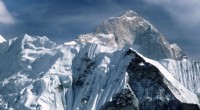
* Rocky: This refers to land areas that are dominated by rocks and mountains.
* Think of the Rocky Mountains in North America, or the Himalayas in Asia.
* Rocky areas can have steep slopes, valleys, and canyons.
* Flat: This refers to land that is level and relatively smooth.
* Think of plains or deserts like the Serengeti in Africa or the Sahara Desert.
* Flat areas can be covered in grass, sand, or even water (like a lake bed).
Here's how land masses can be both rocky and flat:
* Mountains can have flat plateaus: Even though they're part of a mountain range, there can be high, level areas called plateaus on top of mountains.
* Valleys can be flat: The space between mountains can be flat, especially if it's a river valley.
* Plateaus can become eroded: Over time, plateaus can be worn down by weather and wind, leaving behind flat plains.
Other features of land masses:
* Hills: Smaller elevations than mountains, with gentler slopes.
* Coastal areas: Land bordering oceans or large lakes, which can be rocky, sandy, or a combination.
* Forests: Areas with dense vegetation, which can be hilly, mountainous, or flat.
* Deserts: Dry, barren areas that can be rocky, sandy, or flat.
It's important to remember:
* Land masses are diverse and can have many different features.
* The shape and features of a land mass are determined by its geological history and ongoing processes like erosion and weathering.
Let me know if you want to learn more about a specific type of land mass or geographical feature!