Here's a breakdown:
* Collision: The plates push against each other, neither being subducted (pushed under) as they have similar densities.
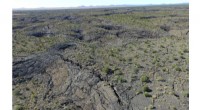
* Folding and Faulting: The intense pressure causes the land to buckle and fold, creating mountains, hills, and valleys.
* Uplift: The overall area is pushed upwards, leading to the formation of a mountainous region.
Some famous examples of mountain ranges formed by continental-continental collisions include:
* The Himalayas: Formed by the collision of the Indian and Eurasian plates.
* The Alps: Formed by the collision of the African and Eurasian plates.
* The Appalachian Mountains: Formed by the collision of North America and Africa, which occurred millions of years ago.
Let me know if you'd like to know more about these specific mountain ranges!