Formation:
* Volcanic Mountains: Formed by the accumulation of lava, ash, and other volcanic materials erupted from a volcano.
* Other Mountains: Formed by tectonic plate collisions, which cause the Earth's crust to fold, buckle, and uplift.
Shape:
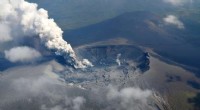
* Volcanic Mountains: Typically have a cone-shaped profile, often with a crater at the summit. The shape can vary depending on the type of eruption and the viscosity of the lava.
* Other Mountains: Can have a wide range of shapes, from jagged peaks to rolling hills, depending on the type of geological processes involved in their formation.
Composition:
* Volcanic Mountains: Primarily composed of igneous rocks, such as basalt, andesite, and rhyolite, formed from cooled lava and ash.
* Other Mountains: Composed of a variety of rock types, including sedimentary, metamorphic, and igneous, depending on their geological history.
Features:
* Volcanic Mountains: Often have associated features like lava flows, volcanic craters, calderas, and hot springs.
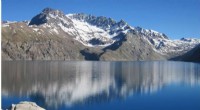
* Other Mountains: May have features like glaciers, alpine lakes, and rocky cliffs, depending on their climate and geological history.
Activity:
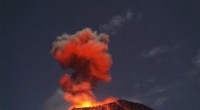
* Volcanic Mountains: Can be active, dormant, or extinct. Active volcanoes are currently erupting or have erupted in recent history. Dormant volcanoes are currently inactive but may erupt in the future. Extinct volcanoes are unlikely to erupt again.
* Other Mountains: Generally considered inactive and not susceptible to volcanic activity.
Here is a table summarizing the differences:
| Feature | Volcanic Mountains | Other Mountains |
|---|---|---|
| Formation | Volcanic eruptions | Tectonic plate collisions |
| Shape | Cone-shaped with crater | Varied shapes |
| Composition | Igneous rocks | Varied rock types |
| Features | Lava flows, craters, hot springs | Glaciers, lakes, cliffs |
| Activity | Active, dormant, extinct | Generally inactive |
In summary, volcanic mountains are distinct from other mountains due to their unique formation process, cone-shaped profile, composition of igneous rocks, and potential for volcanic activity.