Geological Effects:
* Landform Creation: Volcanic eruptions build up layers of lava and ash, creating mountains, islands, and other landforms. The Hawaiian Islands, for example, are entirely volcanic in origin.
* Earthquakes: Volcanoes are often associated with earthquakes, as the movement of magma beneath the Earth's surface can cause tectonic plates to shift.
* Hot Springs and Geysers: Volcanoes can create geothermal features like hot springs and geysers, where water is heated by the Earth's internal heat.
Climatic Effects:
* Climate Change: Large volcanic eruptions can release massive amounts of sulfur dioxide into the atmosphere, which forms aerosols that reflect sunlight back into space. This can lead to a temporary cooling of the Earth's climate.
* Acid Rain: Volcanic gases, including sulfur dioxide, can dissolve in rainwater, creating acid rain that can damage vegetation and aquatic life.
* Atmospheric Dust: Volcanic ash and dust can linger in the atmosphere, reducing visibility and potentially affecting air quality.
Biological Effects:
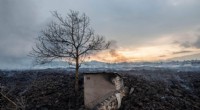
* Habitat Destruction: Volcanic eruptions can destroy existing habitats, especially for plants and animals that live in areas close to volcanoes.
* New Habitats: Volcanic eruptions can create new habitats, such as lava fields that are eventually colonized by pioneer species.
* Nutrient Enrichment: Volcanic ash can enrich the soil with nutrients, making it more fertile for plant growth.
Human Impacts:
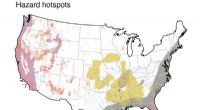
* Natural Hazards: Volcanic eruptions can pose significant threats to human life and property, including lava flows, ashfall, volcanic mudflows, and toxic gas releases.
* Resource Extraction: Volcanoes are associated with valuable mineral resources, including sulfur, geothermal energy, and precious metals, which can be extracted for economic benefit.
* Tourism: Volcanoes are often popular tourist destinations, attracting visitors who are fascinated by their power and beauty.
Important Note: Volcanoes are a natural part of Earth's dynamic system. While they can be destructive, they also play a crucial role in shaping the planet and supporting life. Understanding volcanic processes is essential for mitigating risks and harnessing their potential benefits.