However, some common gases found in the Earth's crust include:
* Water vapor (H2O): Water is a major constituent of many rocks and minerals, and it is often released as a gas during processes like weathering, metamorphism, and volcanic eruptions.
* Carbon dioxide (CO2): A significant portion of Earth's crust contains carbonate minerals like limestone, which release CO2 when heated or exposed to acids.
* Methane (CH4): Methane is a common constituent of natural gas, which is often found trapped in sedimentary rocks within the crust.
* Hydrogen (H2): Hydrogen is often released during the breakdown of organic matter in the crust.
* Helium (He): Helium is a byproduct of radioactive decay, and is often found trapped in the crust along with natural gas.
* Nitrogen (N2): Nitrogen is present in the Earth's atmosphere and can also be trapped within the crust.
It's important to note that the abundance of these gases varies drastically depending on the geological context.
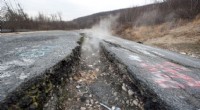
For example, volcanic regions tend to have higher concentrations of sulfur dioxide (SO2) and hydrogen sulfide (H2S) due to magmatic activity. Regions with active geothermal systems might have higher concentrations of methane and other gases associated with organic decomposition.
Additionally, the gases trapped within the crust are often under pressure, and their release can have significant environmental impacts.
Overall, the gases found in the Earth's crust play a vital role in shaping our planet's environment and influencing geological processes.