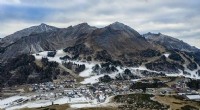
* Composition: Continental crust is primarily composed of granite, a light-colored, felsic rock rich in silica, aluminum, potassium, and sodium. It also contains other minerals like quartz and feldspar.
* Density: It is less dense than oceanic crust, which is why continents "float" higher on the Earth's mantle.
* Thickness: Continental crust is thicker than oceanic crust, ranging from 30 to 70 kilometers (19 to 43 miles) thick. The thickest parts are found beneath mountain ranges.
* Age: Continental crust is older than oceanic crust. It can be billions of years old, while oceanic crust is typically less than 200 million years old.
* Formation: Continental crust forms through a process called plate tectonics, specifically through the collision of tectonic plates.
Here's how it works:
1. Subduction: When an oceanic plate collides with a continental plate, the denser oceanic plate is forced beneath the continental plate in a process called subduction.
2. Melting: As the oceanic plate descends, it melts due to the intense heat and pressure.
3. Magma Rise: The molten rock, known as magma, rises to the surface and erupts, forming volcanoes.
4. Continental Crust Formation: Over time, the erupted magma cools and solidifies, adding to the existing continental crust.
Continental crust is also constantly being eroded and recycled through the process of plate tectonics. However, it is much more resilient than oceanic crust and can persist for billions of years.