Here are some types of volcanoes known for their explosive eruptions:
* Stratovolcanoes: These are also known as composite volcanoes. They are tall, cone-shaped volcanoes built up from layers of lava flows, ash, and other volcanic debris. Their eruptions are often explosive, producing ash plumes, pyroclastic flows, and sometimes volcanic bombs. Examples include Mount Fuji (Japan), Mount Vesuvius (Italy), and Mount St. Helens (USA).
* Cinder Cones: These are smaller, cone-shaped volcanoes formed from the accumulation of tephra (fragments of volcanic rock) ejected during explosive eruptions. They often have a single vent and their eruptions tend to be short-lived but violent.
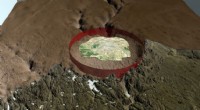
* Calderas: These are large, bowl-shaped depressions that form when a volcano collapses after a major eruption. Calderas can be formed by both explosive and effusive eruptions, but explosive eruptions are more likely to create large calderas. Examples include Crater Lake (USA) and Yellowstone Caldera (USA).
It's important to note that not all volcanoes of these types are explosive. Some volcanoes can have both explosive and effusive eruptions, and the style of eruption can change over time.