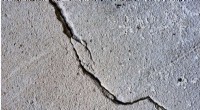
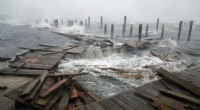
1. Weathering and Erosion: Existing rocks, whether igneous, metamorphic, or even other sedimentary rocks, are broken down by forces like wind, rain, ice, and chemical reactions. This creates sediments.
2. Transportation: These sediments are transported by wind, water, or ice to new locations.
3. Deposition: The sediments eventually settle and accumulate in layers.
4. Compaction: The weight of overlying layers presses down on the sediments, squeezing out water and air, compacting them together.
5. Cementation: Dissolved minerals in the water between the sediments precipitate out and act as a glue, binding the sediments together to form a solid rock.
Reformation through Metamorphism:
* Sedimentary rocks can also be transformed into metamorphic rocks through intense heat and pressure within the Earth's crust. This process changes their mineral composition, texture, and structure.
Reformation through Melting and Cooling:
* If the heat and pressure become extreme enough, the sedimentary rock can melt into magma. When this magma cools and solidifies, it forms igneous rocks.
The cycle continues:
* Igneous, metamorphic, and even the newly formed sedimentary rocks can be subjected to weathering and erosion, starting the cycle again.
In summary:
Sedimentary rocks are constantly being reformed through the rock cycle, which involves breaking down, transporting, depositing, compacting, cementing, and potentially undergoing metamorphism or melting and cooling. This continuous cycle ensures a constant renewal and transformation of Earth's crustal materials.