Here's how it works:
* Convection Currents: The mantle is constantly in motion due to convection currents. Heat from the Earth's core rises, causing the mantle to become less dense and rise. As it reaches the top, it cools and becomes denser, sinking back down. This cycle creates a circular movement.
* Plate Movement: The tectonic plates, which are essentially large slabs of the Earth's crust and uppermost mantle, "float" on top of this moving mantle. They are dragged along by the convection currents.
The movement of these plates is responsible for many geological phenomena, including:
* Earthquakes: When plates collide, grind past each other, or move apart, the resulting stress and release of energy can cause earthquakes.
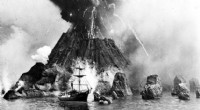
* Volcanoes: Volcanoes form at plate boundaries where magma from the mantle rises to the surface.
* Mountain Ranges: When plates collide, the force can cause mountains to rise.
* Ocean Trenches: When plates collide, one can slide beneath the other, forming a deep trench in the ocean floor.
* Seafloor Spreading: At divergent plate boundaries, new crust is created as magma rises and cools.
So, while the plates themselves move on the Earth's surface, their movement is driven by the convection currents within the mantle.