Crops Grown on Clay Soil:
* Rice: Rice is a staple crop in many regions with heavy clay soils. Its shallow root system makes it well-suited to waterlogged conditions.
* Soybeans: Soybeans tolerate clay soils, especially if they are well-drained.
* Wheat: Wheat is a resilient crop that can adapt to clay soils, though it may require special management techniques to optimize yield.
* Corn: Corn can be grown in clay soil but may need modifications like raised beds or other drainage strategies to prevent root rot.
* Potatoes: Potatoes are a good choice for clay soil, as they are relatively tolerant of heavy conditions and benefit from the moisture retention.
* Vegetables: Certain vegetables thrive in clay soils, such as broccoli, cabbage, cauliflower, carrots, and onions.
Where Clay Soil is Found:
Clay soil can be found globally, but it is particularly common in:
* River Valleys: Rivers deposit sediment, leading to the formation of clay soils in their floodplains.
* Low-Lying Areas: These areas tend to have poor drainage, allowing for clay to accumulate.
* Coastal Regions: Clay soils are often found along coastlines, where sediment is carried by tides and rivers.
* Glaciated Areas: Glaciers can grind rocks into fine particles, creating clay soils in their wake.
Important Considerations for Clay Soil:
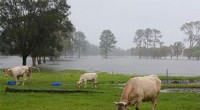
* Drainage: Clay soils tend to have poor drainage, which can lead to waterlogging and root rot. Proper drainage is crucial.
* Compaction: Clay soils can become compacted, limiting root growth. Tilling and other soil management techniques can help.
* Nutrients: Clay soils can be rich in nutrients but can also be prone to nutrient locking. Regular soil testing and fertilization are important.
By understanding the unique properties of clay soil and selecting appropriate crops, farmers can maximize yields and sustain healthy soil in these challenging conditions.